There are five steps to properly clean dishware and utensils in a three-compartment sink — scrape, wash, rinse, sanitize, and air dry — done in that order.
Quick answer on temperatures: wash at 110°F or hotter, rinse with clean water, and sanitize either with a chemical sanitizer at about 75°F or with hot water at 171°F or hotter (not both). Using hot water with a chemical sanitizer is a common mistake — heat breaks the chemical down and makes it less effective. If you use a quat sanitizer like Alpet No-Rinse, that means room-temperature water in the third sink.
Preventing foodborne illnesses from spreading throughout food contact surfaces is essential for health code requirements and maintaining a healthy facility. It’s as easy as 1, 2, 3, as long as you teach the proper steps to your kitchen staff in the correct order for the entire cleaning process.
Three-Compartment Sink Temperatures at a Glance
| Sink | Purpose | Water Temperature | Notes |
|---|---|---|---|
| 1 — Wash | Remove food, grease, soil | 110°F minimum (up to 120°F) | Detergent + scrubbing |
| 2 — Rinse | Remove detergent residue | Clean water, ~110°F | No chemicals or bleach |
| 3 — Sanitize (chemical) | Kill remaining pathogens | ~75°F | Quat / chlorine / iodine at label concentration; do not use hot water |
| 3 — Sanitize (hot water) | Kill remaining pathogens | 171°F minimum | No chemical; immersion sanitizing |
Contact time: at least 30 seconds for a quat or iodine sanitizer; 7 seconds for chlorine. Always follow the sanitizer’s label — concentration, temperature, and contact time are set by the manufacturer and verified with test strips.
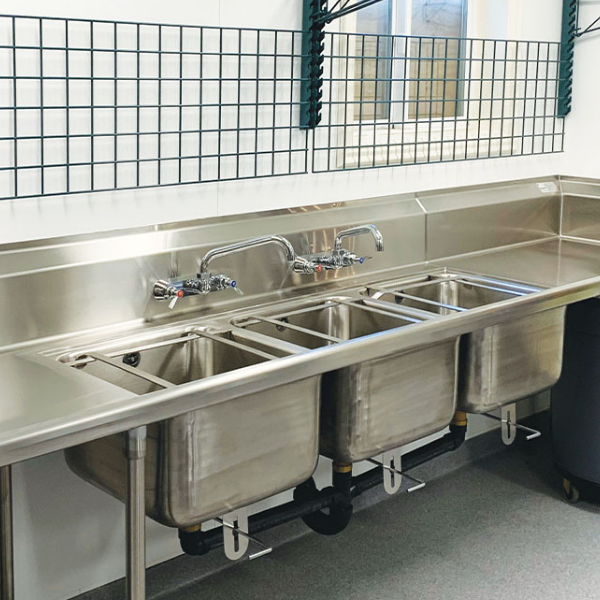
What is a three-compartment sink?
A three-compartment sink is an alternative solution to a commercial dishwasher. In a three-compartment sink, there are three compartments which serve different cleaning purposes. The three-sink method consists of washing, rinsing and sanitizing. The entire cleaning procedure exists to efficiently clean and sanitize dishware inside food facilities.
Does my facility require a three-compartment sink?
The U.S. Food and Drug Administration (FDA) requires all food preparation, food dispensing and food services to acquire a three-compartment sink within their facility. The purpose of three-compartment sinks is to reduce the level of cross contamination between raw meat and food contact surfaces from spreading to consumers. Without proper cleaning procedures, the risk of foodborne illness within a facility is much higher.
However, commercial dishwashers are acceptable for FDA health code requirements as long as the dishware and appliances are dishwasher safe, properly washed and left to air dry.
Facilities that must have a three-compartment sink include:
- Commercial kitchens
- Food trucks
- Restaurants
- Bars containing food
Five Steps to the Three-Compartment Sink Method
Although the cleaning procedure is a three-sink method, there are five steps order to properly clean dishware and utensils in this type of sink.
1. Remove leftover food on the dishware
Scrape off any leftover food components into a disposal bin. Make sure each food item is removed from the dishware, then collect all dishes and utensils before the wash cycle starts.
2. Scrub with soap
Set the wash sink to at least 110°F (many operators run it up to 120°F to cut grease). Begin by thoroughly scrubbing each dish individually with soap until all dried food, stains and grease are discarded. Transfer the clean dishes into the second sink for rinsing.
3. Rinse the dishes
Fill the second sink with hot water to a minimum of 110ºF. Place the dish or kitchen tools into the water to submerge. Allow time for all the soap residue to rinse off the dishes.
4. Soak in chemical sanitizers
Following the rinse step, transfer the dish or utensil into the third sink for sanitizing. There are two accepted methods, and the correct temperature depends on which you use:
- Chemical sanitizing (most common in kitchens): fill the sink with room-temperature water at about 75°F and add a chemical sanitizer such as Alpet No-Rinse Quat Sanitizer at the concentration on the label. Do not use hot water — heat above roughly 120°F breaks quat sanitizer down. Keep items submerged for at least 30 seconds (7 seconds for a chlorine solution).
- Hot-water sanitizing (no chemical): if you sanitize with heat alone, the water must reach at least 171°F and items are immersed for 30 seconds.
Typically, each chemical sanitizer will indicate proper use on the product label.
5. Air dry dishware
After sanitizing dishes, place all hygienic dishes onto the designated drying surface or rack. Dishes must be left to air dry. Use of towel or other drying methods will increase the chance of cross contamination.
First Sink: Washing Sink
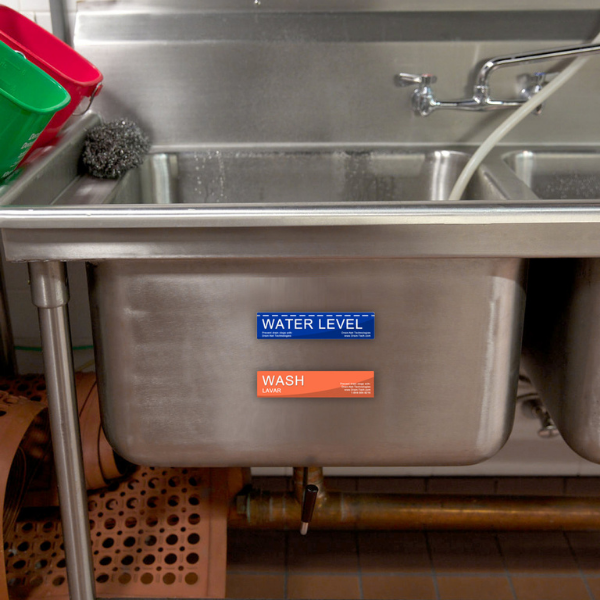
The first sink is designated for cleaning and washing dishes. The soapy water must contain a soap or degreaser with a sufficient sponge or brush for scrubbing and removing all leftover food. Fill the sink with warm water between 95ºF and 120ºF for an effective clean.
In order to remove all buildup on the dishes and utensils, it is important to wash each container until all oils and stains are eliminated. With a high water temperature, it’s recommended that employees wear gloves to protect themselves from hot water.
Second Sink: Rinsing Sink
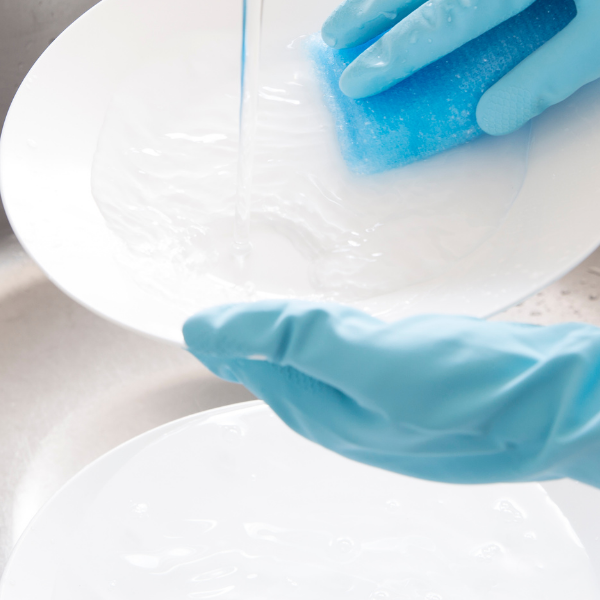
After the wash cyle, transfer dishware into the second sink to rinse and clear all soap residue from the container or equipment. The second compartment is strictly used for rinsing dishes. Fill the sink with warm, clean water and rinse each dish. The water tempature is the same as the wash sink, the only difference is the rinse sink does not contain soap or chemicals.
Do not use any chlorine bleach, chemical sanitizing solution or regular bleach in the second sink.
Third Sink: Sanitizing Sink
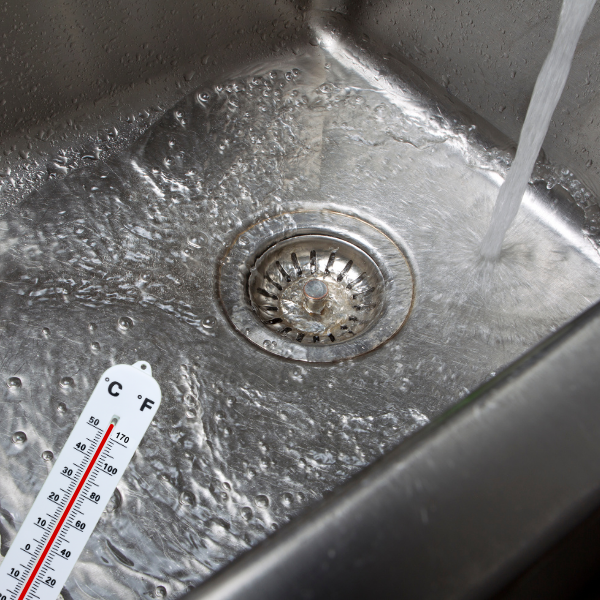
The third sink is where pathogens are killed. Choose one of two methods — do not combine them:
Chemical sanitizing (recommended for most kitchens). Fill the sink with clean, room-temperature water at about 75°F and add a sanitizing solution such as a quat or chlorine sanitizer. Counterintuitively, this water should not be hot: heat degrades quaternary ammonium sanitizers and drives off chlorine, so a hot sanitizing sink actually sanitizes worse. Use test strips to confirm the concentration matches the label (for example, quats are typically used at around 200 ppm and chlorine at 50–99 ppm).
Hot-water sanitizing. If you sanitize with heat alone and no chemical, the water must hold a minimum of 171°F, monitored with a thermometer. Bacteria and germs cannot survive immersion at this temperature.
Either way, sanitizing cannot be rushed. Each dish must remain submerged for at least 30 seconds (7 seconds for chlorine). Once the time is up, the dishes are fully sanitized and ready to air dry.
With continuous sanitizing throughout the day, check the solution regularly and exchange it for fresh sanitizer every two to four hours, or sooner if it looks dirty or tests below concentration. Gloves are recommended during this step.
Chemical Sanitizing Solution
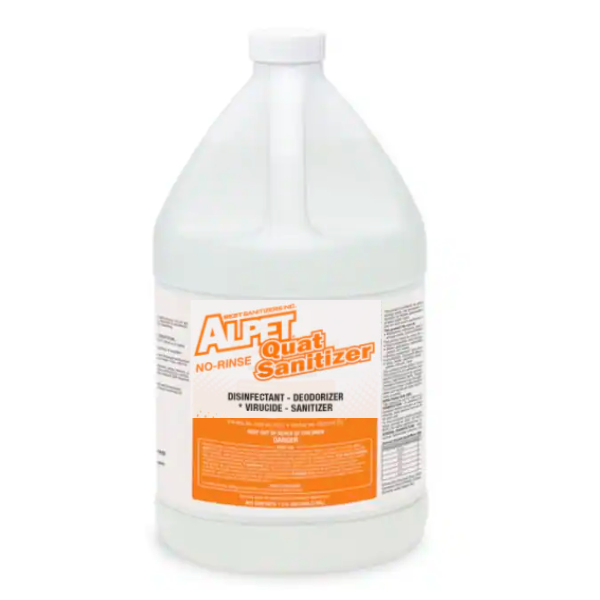
Alpet No-Rinse is an ideal, three compartment sink sanitizer. The sanitizer will efficiently sanitize dishes without leaving behind a strong odor. Alpet No-Rinse is a versatile cleaner which can be used in water or on hard surfaces. The sanitizer is the perfect two in one solution for the front and back of house; a general cleaner for food contact surfaces and bacteria eliminator when sanitizing dishware.
Alpet No-Rinse Quat Sanitizer:
- Disinfects in 10 minutes
- Dilutable sanitizer, deodorizer, virucide and disinfectant
- Effective drain sanitizer
Check out other sanitizer solutions for a three-compartment sink.
Washing Tableware with Liquid Detergent
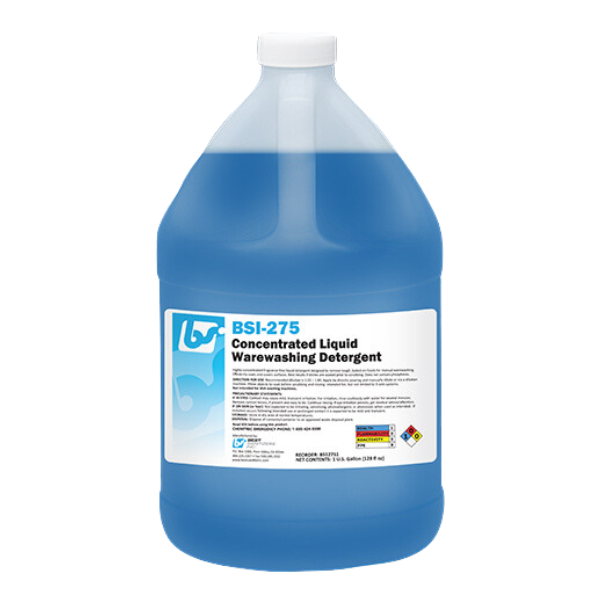
BSI-275 Concentrated Liquid Warewashing Detergent is a liquid detergent for the first compartment sink. This highly concentrated fragrance-free cleaner removes tough foods and stains on the dishware surface. Apply directly into the sink or dispenser machine to dilute the soap into the water. Allow the detergent to soak in the sink before scrubbing begins.
BSI Liquid Warewashing Detergent:
- Does not contain phosphates
- Safe for flatwares, dishes and utensils
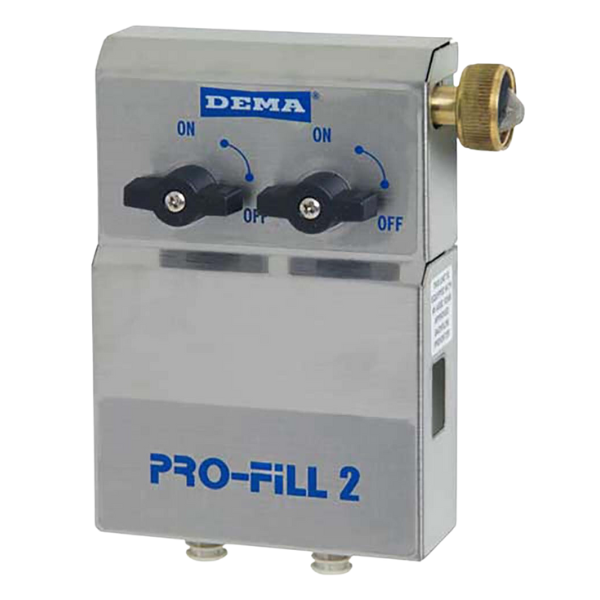
Dual Soap and Sanitizer Dispenser for Sinks
BSI DEMA PRO-FILL 2 Sink Dispenser is a double action appliance that fills multiple sinks with solution by the switch of a valve. The sink dispenser automatically dispenses sanitizer or chemicals into the water while diluting a specific measured amount.
Using this dispenser is straightforward and user-friendly. Attach a water hose to both sides of the machine. Insert each hose inside the desired solution and switch the valve on when ready to use. BSI DEMA PRO-FILL is an efficient and systematic device to use for dual dispensing, quick cleaning and preventing liquid mess.
BSI DEMA Sink Dispenser:
- Dual dispenser and soap distributor
- Faucet adaptor is sold separately
How to Clean a Stainless Steel Sink
Although a compartment sink’s main duty is to clean and sanitize dishware, the sink itself is still susceptible to containing bacteria among the surface. Microorganisms and other pathogens will develop inside the sink if it’s never cleaned.
After daily washing operations are complete, scrub down each sink with sanitizer. Grab a rag and surface sanitizer and begin by spraying down the outer, inner and corner areas of the sink surfaces. Wipe away all residue on the surface and discard the towel or rag. Regularly clean a three-compartment sink before and after each use.
Employees may want to wear gloves when cleaning a three-compartment sink due to sensitive chemicals.
What Wipes Are Safe for Food Contact Surfaces?
Not every disinfectant wipe belongs near food. Most wipes sold for general cleaning are not cleared for food contact surfaces, and using one there means adding a potable-water rinse — or failing an inspection. A wipe is safe for food contact only if its own label says so.
Check three things on the label before a wipe touches a prep table, a slicer, or the sink surround:
- An EPA registration number, with food contact surfaces named in the directions for use. If the label does not name them, the wipe is not approved for them.
- A no-rinse statement. Many disinfectants require a rinse after the contact time. A true food contact sanitizer does not.
- The stated contact time — how long the surface must stay visibly wet. This is the step crews skip most often, and the one an auditor checks.
Alpet D2 Surface Sanitizing Wipes (EPA Reg. No. 73232-2, NSF Listed #156646) meet all three. They are no-rinse on hard, non-porous food contact surfaces, with a 99.999% reduction of Staphylococcus aureus, Escherichia coli, Salmonella enterica, and Listeria monocytogenes when the surface stays wet for 60 seconds. On non-food contact surfaces the claim is 99.9% in 10 seconds.
Even a food-safe wipe has limits. The Alpet D2 wipe label excludes eating utensils, dishes, glassware, cookware, and wood cutting boards, plus porous surfaces a wipe cannot reach. Dishes and utensils belong in the three-compartment sink, not under a wipe — the wipes are for the surfaces around the warewashing station, not the tableware moving through it.
For the sink itself, a no-rinse quat sanitizer in the third compartment remains the correct tool.
How to Prevent Cross Contamination from Spreading into a Three-Compartment Sink
Cross contamination can cause serious issues within a food service facility. The chances of transferring pathogens inside a three-compartment sink is higher than one may think. Three-compartment sinks are designed for cleaning, rinsing and sanitizing dishes. With an uneducated or unfamiliar staff, many contamination circumstances may occur. However, a few safety measures can simply fix the potential risk of foodborne illness from spreading throughout a facility.
-
Do not use the sink as a handwashing or preparation station. The three-compartment sink should only be used for cleaning dishes, utensils and appliances. Preparing raw foods, washing hands or storing any item is not acceptable.
-
Do not dump mop water in the three-compartment sink. The compartment sink is not a sanitation station for dirty floor water. Please discard mop water in designated drain.
-
Fill sinks with appropriate water temperature and chlorine solution. In order to fulfill the cleaning procedures required for three-compartment sinks, always test key ingredients used for the third sink and temperatures for all three sinks.
-
Sinks are not for storage. Bacteria build up can easily occur when using any sink for purposes other than cleaning, especially storage. Make the easy switch and transfer all items to another more appropriate location.
-
Eliminate all food debris before the cleaning process begins. Follow the five steps for cleaning dishes properly and scrape away all leftover food from dishware before starting the washing cycle.

Mike Usry
Mike Usry is an entrepreneur and marketer who leads efforts at Southland Organics and D2 Sanitizers, helping customers, retailers and employees connect with organic, sustainable products.