Dispensing Systems
Dispensers that actually get used.
Touchless, foot-activated, and manual dispensers for hand sanitizer, soap, and surface products. Chosen for the specific facility, station, and adoption reality they serve.
- Touchless + foot-activated formats
- VersaClenz + Alpet E2 systems
- Pairs with D2 sanitizer chemistry
Already specifying D2 sanitizer and soap? Dispensers built around the D2 lineup.

Shop Dispensing Systems
5 products shipped from our Bogart, GA warehouse

DEMA PRO-FILL 2: 3 Compartment Sink Chemical Dispenser
DEMA PRO-FILL is a dual product sink dispenser to dilute product into a kitchen sink with the turn of a ball v…

EZ Step Wall-Mounted Foot-Activated Hand Sanitizer Dispenser
The Wall-Mounted EZ Step Dispenser is a durable, stainless steel dispenser designed for any industrial environ…

EZ Step Portable, Foot-Activated Hand Sanitizer Dispenser
Popular industrial dispensing system within the food processing industry, the Portable EZ Step is designed to …

VersaClenz Touchless Hand Hygiene Dispenser
Reduce cross-contamination with the VersaClenz Touchless Dispenser. This versatile system can dispense differe…

VersaClenz Manual Hand Hygiene Dispenser
Reduce cross-contamination with the VersaClenz Touchless Dispenser. This versatile system can dispense differe…
Touchless for high-traffic entries, foot-activated for food-handler break returns, manual for breakrooms and offices — each dispenser picked for its use context.
Our lineup includes VersaClenz touchless dispensers and Alpet E2 Step foot-activated stands — pre-integrated with the D2 chemistry portfolio.
Touchless and foot-activated formats eliminate cross-contact at the dispenser itself — the spot where hand hygiene protocols most often fail.
No jumping between suppliers when you need a new dispenser or a case of refills. (762) 255-8353 or contact us online.
Dispensers are where hand hygiene compliance lives or dies.
Adoption, cross-contact, and refill rhythm — the dispenser is the point where chemistry meets reality.
Adoption at the dispenser
The best sanitizer chemistry in the world fails if the dispenser is clogged, awkwardly placed, or requires two hands.
Touchless + foot-activated formats remove the friction that kills station-level compliance.
Cross-contact at the pump
Manual pumps become a shared surface — defeating the point of hand sanitation.
Foot-activated and touchless formats eliminate the hand-to-pump contact step entirely.
Refill + service rhythm
Empty dispensers are the fastest way to fail a health inspection and lose staff trust.
Standardizing dispenser + refill source makes service cadence predictable and keeps stations stocked.
Where D2 dispensers fit
Match the format to the station, the station to the workflow.
Food processing
Line entries, glove-change zones, foot-activated at gowning rooms.
Commercial kitchens
Prep station heads, expo-line edges, employee restrooms.
Healthcare + senior living
Room entries, nurse stations, common areas.
Office + public facilities
Lobbies, restrooms, elevator banks, common corridors.
Schools + education
Classroom entries, cafeteria lines, gym + locker-room hallways.
Dispensers + the chemistry they hold

Hand Sanitizers
Alpet E3 refills designed for D2 dispensing systems. Spray, foam, and gel formats.
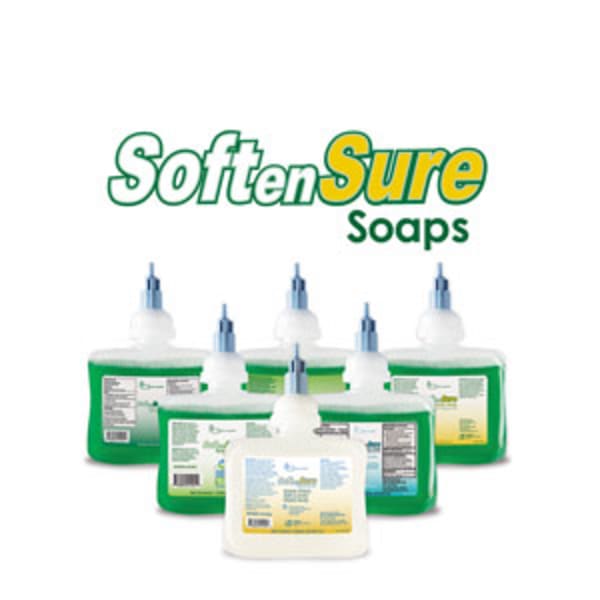
Industrial Hand Soap
Soap refills for the wash step of hand hygiene. Same dispenser lineup.

Surface Sanitizers
Surface chemistry to pair with your hand hygiene program.

Disinfectant Wipes
Canister-format wipes for stations where a dispenser doesn't fit.
Need help specifying dispensers for multiple stations?
Tell us about your facility — station counts, surfaces, expected traffic — and we'll build a dispenser map for you.
Dispensers FAQs
Questions from food-safety, compliance, and operations teams.
Are chemical dispenser systems used in other industries?
Chemical dispenser systems are used across a variety of industries, providing accurate, safe and cost-effective dosing solutions. These systems ensure consistent results and minimize waste, making them a reliable choice for many applications.
In commercial cleaning, chemical dispensers are used to sanitize floors, surfaces and equipment, ensuring a clean and safe environment. In the laundry sector, these systems deliver precise amounts of detergent and other chemicals to washing machines, guaranteeing optimal cleaning results every time.
Can advanced dispensers reduce waste and overuse of chemicals?
Yes, advanced dispensers are made to work efficiently. They solve the problems of waste and overuse found in older methods. Their multi systems guarantee accurate doses, which lowers the use of chemicals and helps the environment.
Can I use any cleaning solution with the Foam Unit?
Yes, our Foam Units are compatible with a wide range of cleaning and sanitizing solutions, including disinfectants, detergents, and degreasers. However, we recommend using solutions specifically designed for foaming applications to ensure optimal performance. Always follow the manufacturer’s guidelines for dilution ratios and application methods to avoid damage to the unit or surfaces being cleaned.
How can a chemical dispenser improve efficiency and safety in a commercial kitchen setting?
Chemical dispensers improve efficiency by automating the accurate dispensing of cleaning and sanitizing agents, reducing time spent measuring and mixing chemicals manually. This minimizes handling, which improves safety for kitchen staff by lowering exposure to concentrated chemicals. Consistent and precise dosing also ensures compliance with health standards, helping to maintain a safer food preparation area.
How do chemical dispensers improve food service sanitation?
Chemical dispensers are changing the way we keep food service areas clean. These dispensers use different safety features that help make sure that the right amounts of chemicals are used. It also reduces the chances of contamination. Overall, this leads to better hygiene.
How do I clean and maintain the Foam Unit?
Regular maintenance ensures your Foam Unit stays in excellent working condition. Here are the steps to clean and maintain it:
• Flush the system: After each use, run clean water through the unit to flush out any remaining cleaning solution.
• Inspect components: Check hoses, fittings, and nozzles for wear or damage. Replace any worn parts as needed.
• Clean the tank: Periodically clean the tank with mild soap and water to remove residue and prevent buildup.
• Charge the battery: Fully charge the lithium-ion battery after each use to ensure it’s ready for the next session.
• Store properly: Keep the unit in a cool, dry place away from direct sunlight or extreme temperatures.
How do I install and maintain the VersaClenz dispenser?
Installation is simple with the included mounting hardware and template. For maintenance, it’s easy to refill and features a tamper-resistant lock to prevent unauthorized access and ensure hygiene supplies stay secure.
How does a chemical dispenser work in a 3 compartment sink?
A chemical dispenser is connected to each sink compartment to automatically mix and dispense the correct amount of cleaning solution, rinse water and sanitizer. By controlling the flow and concentration of each chemical, the dispenser simplifies the process, ensuring consistent, effective cleaning and sanitizing in each step of the 3 compartment system.
How does the lithium-ion battery improve cleaning efficiency?
The lithium-ion battery provides cordless operation, eliminating the need to stay near power outlets or manage extension cords. This feature allows for greater mobility and efficiency, especially in large facilities or areas with limited access to electrical outlets. The battery is long-lasting and designed to support multiple cleaning sessions on a single charge. Recharge time is minimal, ensuring you can keep your cleaning operations running smoothly.
What are the benefits of using a chemical dispenser in a 3 compartment sink?
Using a chemical dispenser in a 3 compartment sink offers several advantages, including accurate chemical mixing, consistent dosing and reduced waste. This ensures effective cleaning and sanitization while saving time and reducing errors in chemical handling. Additionally, dispensers help maintain proper sanitization levels to meet health regulations, promoting a safe kitchen environment.
+ 6 more in the full FAQ library