Disinfectant Wipes
Pass audits without overspray.
Same Alpet D2 chemistry you trust in spray — pre-saturated in a wipe so your crew can sanitize mid-shift without overspray, mixing, or training drift.
- Alpet D2 chemistry (EPA Reg. 73232-2)
- FDA 21 CFR no-rinse food-contact
- No overspray, no aerosolization
Already running Alpet D2 spray? Same chemistry — drop wipes into the stations that can’t take overspray.

Shop Disinfectant Wipes
1 product shipped from our Bogart, GA warehouse

Same quaternary-alcohol chemistry as our Alpet D2 spray products, already dosed to the proper dilution — no mixing, no measuring.
Patient rooms, line expos, prep stations with product out, retail checkout zones — wipes deliver sanitation without airborne spray.
SDS, labels, and use directions available for every wipe product. Supports HACCP critical-control-point documentation.
Canister and resealable formats fit in drawers, carts, and stations that won't hold a spray bottle. Designed for back-of-house reality.
Wipes solve the sanitation moments spray bottles can't.
Airborne concerns, shift rhythm, and training consistency — wipes address all three.
Airborne concerns
Sprays aren't always an option — near exposed product, around patients, at checkout counters.
Wipes put the chemistry exactly where it needs to go with no aerosolization.
Mid-shift sanitation
Stopping to mix + spray + wait breaks the rhythm of prep and service.
Pre-saturated wipes keep the sanitation step fast enough that crews actually do it.
Training consistency
A pre-saturated wipe removes "did you mix it right?" as a failure mode.
One product, one motion, one result — easier to train, audit, and trust.
Where D2 wipes fit
Anywhere the sanitation step has to happen fast and without overspray.
Food service
Table turns, expo lines, prep stations between tasks.
Healthcare
Patient rooms, medication carts, high-touch surfaces between visits.
Food retail
Deli counters, slicer bases, display-case surfaces, self-serve zones.
Office + common areas
Shared keyboards, conference tables, elevator buttons, handrails.
Food processing
Line-side sanitation moments where spraying isn't practical.
Are these wipes food safe?
Yes. Alpet D2 Surface Sanitizing Wipes are an EPA-registered food grade sanitizing wipe for hard, non-porous food contact surfaces — EPA Reg. No. 73232-2, NSF Listed #156646 (Category D2). They are a no-rinse sanitizer: no potable-water rinse is required after sanitizing a cleaned food contact surface, which is the line an auditor checks.
| Bacteria (ATCC strain) | Reduction | Contact time |
|---|---|---|
| Staphylococcus aureus (ATCC 6538) | 99.999% | 60 seconds |
| Escherichia coli (ATCC 11229) | 99.999% | 60 seconds |
| Salmonella enterica (ATCC 10708) | 99.999% | 60 seconds |
| Listeria monocytogenes (ATCC 19117) | 99.999% | 60 seconds |
How to use them on a food contact surface
- Remove gross food particles and soil — preclean first. The wipes can be used to preclean.
- Use enough wipes to keep the surface thoroughly wetted for 60 seconds.
- Allow the surface to air dry. No rinse required.
What they are not for. The label excludes eating utensils, dishes, glassware, cookware, and wood cutting boards, along with porous surfaces or areas a wipe cannot reach or penetrate. They are not for personal cleansing. For non-food contact surfaces the claim is 99.9% in 10 seconds.
Claims quoted from the EPA-registered master label for Alpet D2 Surface Sanitizing Wipes, EPA Reg. No. 73232-2. See the Alpet D2 Surface Sanitizing Wipes product page for sizes, documents, and the full claim table.
Build your full facility sanitation kit

Surface Sanitizers
Same chemistry in spray + concentrate formats for larger surface programs.

Hand Sanitizers
Skin-safe alcohol chemistry for the crew using the wipes.
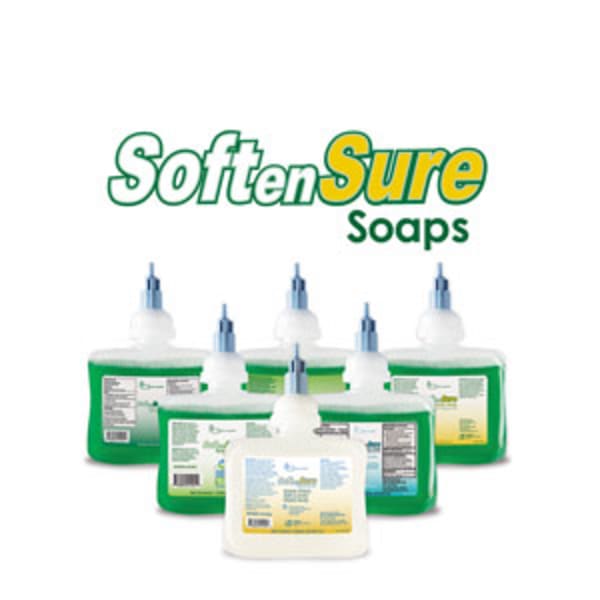
Industrial Hand Soap
Soap for visibly soiled hands, the step before sanitizer and wipes.
Peracetic Acid
When wipes aren't enough — PAA handles heavy microbial load in wash lines and CIP.
Not sure which wipe format fits your operation?
Tell us where you'll use them, how fast, and how often — we'll match canister size + chemistry.
Disinfectant Wipes FAQs
Questions from food-safety, compliance, and operations teams.
Are all disinfectant wipes safe for food contact surfaces?
No. Most disinfectant wipes on the market are not cleared for food contact surfaces, and using one there means a rinse step — or a violation. A wipe is safe for food contact only if its own label says so.
Three things to check on the label before a wipe touches a food contact surface:
- An EPA registration number, with food contact surface sanitizing in the directions for use. If the label does not name food contact surfaces, it is not approved for them.
- A no-rinse statement. Many disinfectants require a potable-water rinse after the contact time. A true food contact sanitizer does not.
- The stated contact time — how long the surface must stay visibly wet. This is the step most often skipped, and it is what an auditor checks.
Alpet D2 Surface Sanitizing Wipes (EPA Reg. No. 73232-2, NSF Listed #156646) meet all three: no-rinse on hard, non-porous food contact surfaces, with a 99.999% reduction of Staphylococcus aureus, Escherichia coli, Salmonella enterica, and Listeria monocytogenes when the surface stays wet for 60 seconds. On non-food contact surfaces the claim is 99.9% in 10 seconds.
Even a food-safe wipe has limits. The Alpet D2 wipe label excludes eating utensils, dishes, glassware, cookware, and wood cutting boards, along with porous surfaces a wipe cannot reach — and it is not for personal cleansing.
Are D2 Sanitizers products safe for use around food and customers?
Yes, when used as directed. Alpet D2 Surface Sanitizer (EPA Reg. No. 73232-1) and Alpet D2 Surface Sanitizing Wipes (EPA Reg. No. 73232-2) are both EPA-registered, NSF-listed Category D2 no-rinse sanitizers for hard, non-porous food contact surfaces — no potable water rinse is required after sanitizing. On food contact surfaces the label claim is 99.999% of the listed bacteria in 60 seconds; on non-food contact surfaces it is 99.9% in 10 seconds. Preclean surfaces before sanitizing, and follow the precautionary statements on the container.
Are sanitizing systems effective against all types of bacteria and viruses?
Sanitizing systems are made to fight many types of bacteria and viruses. However, how well they work can depend on the type of sanitizer and the existing germs.
Are there harsh chemicals in Smart-San All-Purpose wipes?
No, Smart-San All-Purpose Wipes contain two main active ingredients: ethanol and isopropyl. Neither component is tough on skin or harmful to users.
Can D2 Sanitizers products be used on all types of food contact surface?
D2 Sanitizers products are very versatile. The surface sanitizer spray is highly effective, quickly cleaning and disinfecting a variety of food contact surface. Our products work well on many hard and soft surfaces. However, always look at the product label to see if it is safe for a specific surface. If you are unsure, you can try a quick test on a hidden spot to check if the material is safe.
Do Alpet D2 wipes need a rinse on food contact surfaces?
No. Alpet D2 Surface Sanitizing Wipes (EPA Reg. No. 73232-2) are a no-rinse sanitizer for hard, non-porous food contact surfaces. Preclean the surface, then use enough wipes to keep it thoroughly wetted for 60 seconds and allow it to air dry.
Two label limits are worth knowing before you standardize on them: do not use the wipes to sanitize eating utensils, dishes, glassware, cookware, wood cutting boards, or any porous surface the wipe cannot reach — and they are not for personal cleansing.
Do I need to wear gloves when applying this product to surfaces?
This product does not require gloves to be worn when sanitizing high touch, hard surfaces. If you have sensitive skin, you may want to consider wearing gloves simply as a precaution.
Does Alpet D2 kill 99.9% of viruses and bacteria including cold flu?
The label separates three different claims, and the contact time is what distinguishes them.
Sanitizing, non-food contact — 99.9% in 10 seconds. Applies to both the spray (EPA Reg. No. 73232-1) and the wipes (EPA Reg. No. 73232-2).
Sanitizing, food contact — 99.999% in 60 seconds. The spray names nine bacteria; the wipes name Staphylococcus aureus, Escherichia coli, Salmonella enterica, and Listeria monocytogenes.
Disinfecting, including viruses — 5 minutes. This claim belongs to the spray only. Alpet D2 Surface Sanitizer is an effective virucidal disinfectant against Norovirus (Feline Calicivirus as surrogate), Influenza A H1N1, Hepatitis B, and HIV-1 on hard, non-porous surfaces when the surface stays wet for the full 5 minutes. The wipes carry no virucidal claim.
Common cold and strep are not organisms on either label.
Does Alpet D2 kill Listeria?
Yes. Listeria monocytogenes (ATCC 19117) is named on the EPA-registered label for both Alpet D2 Surface Sanitizer (EPA Reg. No. 73232-1) and Alpet D2 Surface Sanitizing Wipes (EPA Reg. No. 73232-2). The label claim is a 99.999% reduction on hard, non-porous food contact surfaces with a 60-second contact time. Preclean the surface first, apply so the surface is thoroughly wetted, keep it wet for the full 60 seconds, then allow it to air dry — no rinse required.
How often should surfaces be sanitized in a food processing area?
Surfaces in food processing areas can get contaminated by bacteria like Salmonella and norovirus, so it is important to clean and sanitize them often with a foodservice surface sanitizer spray. Sanitize whenever there is a chance of contamination and at least every four hours. Use the right amount, which is usually a few fluid ounces per gallon of water, and rinse if needed. The cleaning frequency may change based on the product you use and how you apply it.
+ 14 more in the full FAQ library