Peracetic Acid
Broad-spectrum control when quat chemistry stops working.
Broad-spectrum peracetic acid (PAA) for cold CIP, wash-line sanitizing, produce water treatment, and environmental pathogen control. Breaks down to water, oxygen, and acetic acid — no toxic residue.
- Cold-temperature CIP sanitizer
- Broad-spectrum microbial kill
- Breaks down to water + oxygen
Running Alpet D2 (quat)? PAA handles cold CIP, biofilms, and load quat can't.

Shop Peracetic Acid
1 product shipped from our Bogart, GA warehouse

Unlike hot-water or quat programs that depend on heat, PAA performs at cold-wash and ambient temps. Critical for cold-chain and wash-line operations.
Effective against bacteria, yeasts, molds, and spoilage organisms. Common choice when a single chemistry needs to handle a broad pathogen profile.
Decomposes into water, oxygen, and acetic acid — no chlorinated byproducts. Compatible with stainless and most food-contact equipment.
SDS, labels, and use directions support FSMA preventive-control plans and HACCP critical-control-point documentation for processing environments.
Peracetic acid is what you reach for when quat chemistry isn't enough.
Biofilms, cold temperatures, residue concerns — three places where PAA outperforms the standard toolkit.
When quat isn't enough
Quaternary ammonium chemistries don't always handle biofilms, cold conditions, or heavy organic load.
PAA extends your sanitation program's reach into the moments where the standard tool stops working.
Residue accountability
Chlorine-based programs leave residues. Quats linger on surfaces unless rinsed.
PAA breaks down to safe byproducts, simplifying rinse-step documentation and water-handling permits.
Cold-chain reality
Hot-water sanitation cycles aren't always available on wash lines or cold-room CIP.
PAA's cold-water performance keeps sanitation on-spec without disrupting temperature-controlled processes.
Where D2 PAA fits
Cross-vertical microbial control — food, produce, agriculture, beverage, environmental.
Food processing CIP
Tanks, fillers, wash-line sanitizing, pasteurizer rinses.
Produce wash water
Leafy greens, fresh-cut produce, process water sanitizing.
Agriculture
Irrigation water treatment, egg-wash sanitizing, hatchery sanitation.
Beverage + dairy
Bottling, filling, cold-chain CIP, pasteurizer approach tanks.
Environmental control
Drain sanitizing, floor programs, equipment housings.
PAA + the rest of your program

Surface Sanitizers
Alpet D2 no-rinse quat chemistry for the everyday food-contact step.

Floor Sanitizers
Environmental pathogen control for drains, floors, and walkways.

Hand Sanitizers
Close the loop — sanitizer for crews running the PAA program.
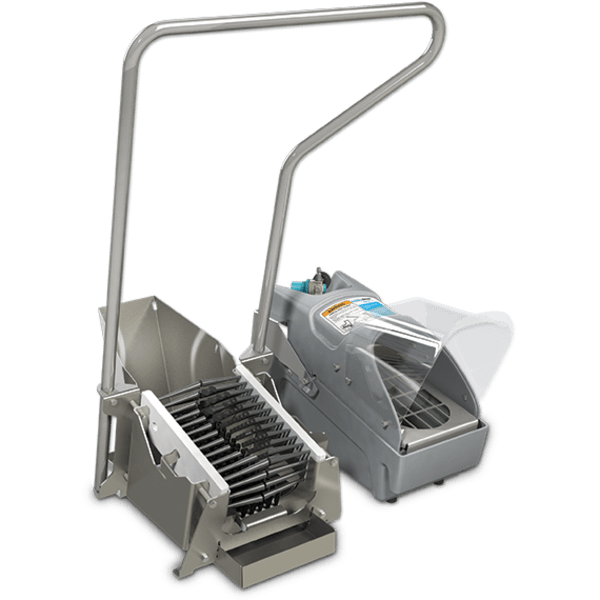
Dispensing Systems
Metered dilution equipment for consistent PAA concentration at use.
Need a PAA dilution rate for a specific process?
Tell us the application, temperature, and target organism — we'll point you to the right D2 PAA product and use directions.
Peracetic Acid FAQs
Questions from food-safety, compliance, and operations teams.
Can peracetic acid be used in organic food production?
The Environmental Protection Agency (EPA) allows the use of peracetic acid in making organic food. To meet the standards for organic products, it is important to follow certain rules about how much to use, how to apply it and how much residue is allowed.
Does peracetic acid have a negative environmental impact?
Peracetic acid is actually more environmentally friendly compared to traditional sanitizers, especially those containing chlorine. PAA breaks down into acetic acid (vinegar), water and oxygen, posing minimal risk to aquatic life and the environment. It’s an excellent choice for wastewater treatment in food processing plants, helping prevent harmful substances from entering natural ecosystems. Additionally, its effectiveness in small amounts further reduces environmental impact.
How does peracetic acid compare to chlorine-based sanitizers?
Peracetic acid works better as a germ-fighter against more types of germs than chlorine-based cleaners. It doesn’t leave much behind, is safer to use and breaks down into more eco-friendly substances.
How often should surfaces be sanitized in a food processing area?
Surfaces in food processing areas can get contaminated by bacteria like Salmonella and norovirus, so it is important to clean and sanitize them often with a foodservice surface sanitizer spray. Sanitize whenever there is a chance of contamination and at least every four hours. Use the right amount, which is usually a few fluid ounces per gallon of water, and rinse if needed. The cleaning frequency may change based on the product you use and how you apply it.
Is peracetic acid (PAA) unsafe for food processing because it is a strong oxidizer?
While PAA is indeed a strong oxidizer, it is not unsafe when used correctly. PAA breaks down into safe byproducts like acetic acid, water and oxygen. When handled properly according to safety guidelines, PAA poses a very low risk in food processing.
Is peracetic acid highly toxic and unsafe due to its strong oxidizing properties?
The safety of peracetic acid, like any chemical, depends on how it is used and handled. High concentrations of PAA can be corrosive and require careful handling. However, the diluted solutions commonly used in food processing are safe when handled according to guidelines. PAA breaks down into non-toxic substances, making it suitable for food contact surfaces.
Is peracetic acid safe for use on all food contact surfaces?
Peracetic acid is safe for many food contact surfaces since it breaks down into harmless substances. However, it’s important to think about how you use it. You need to consider the type of surface, how long it stays in contact, the pH value and any organic matter. These factors can affect how well it works and its safety.
What concentrations of peracetic acid are effective for sanitization?
Effective levels of peracetic acid for sanitizing can change based on the specific use, the germs you want to target and the contact time. It is important to check the manufacturer’s guidelines and follow the rules to find the right concentration. This ensures the best results for killing germs and control.
Why is peracetic acid considered a better choice for environmental protection?
PAA’s ability to break down into harmless byproducts and its effectiveness even in small quantities make it a safer choice for the environment. It helps prevent pollution and protects ecosystems, particularly when used in applications like wastewater disinfection and managing sewer overflows.